
Lecture 7
Composition & Framing
Class Plan
- 0:00 – 0:10
Introduction
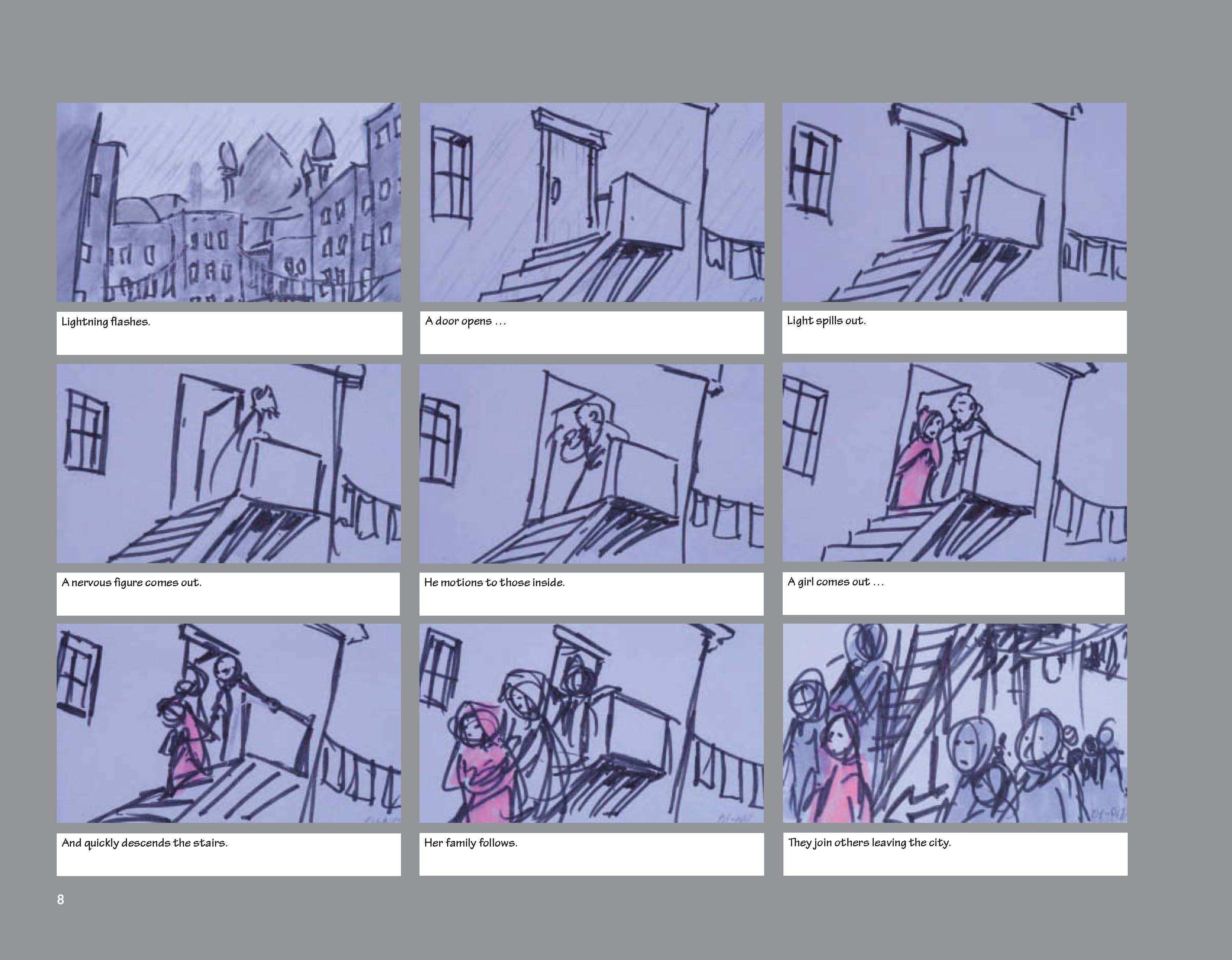
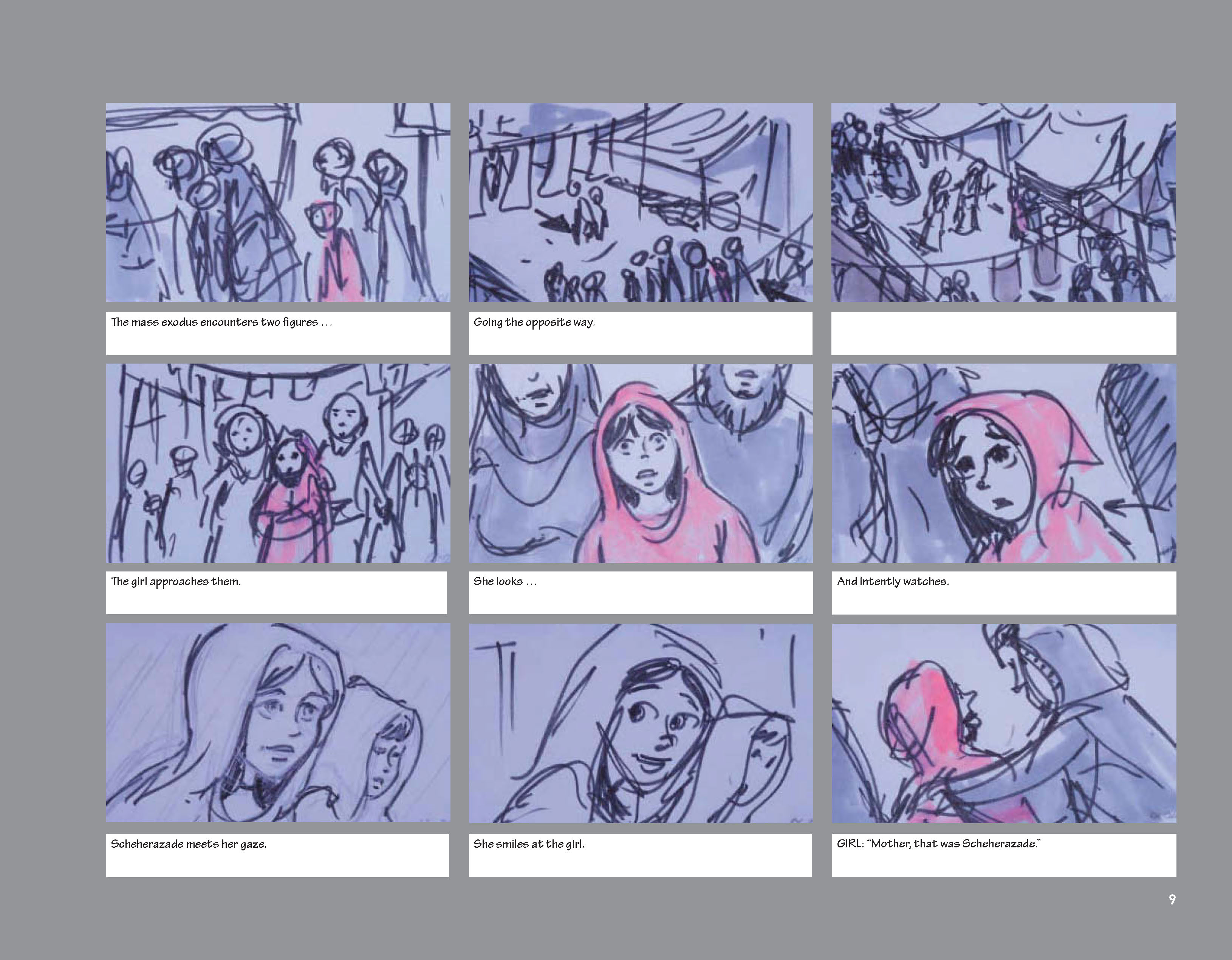
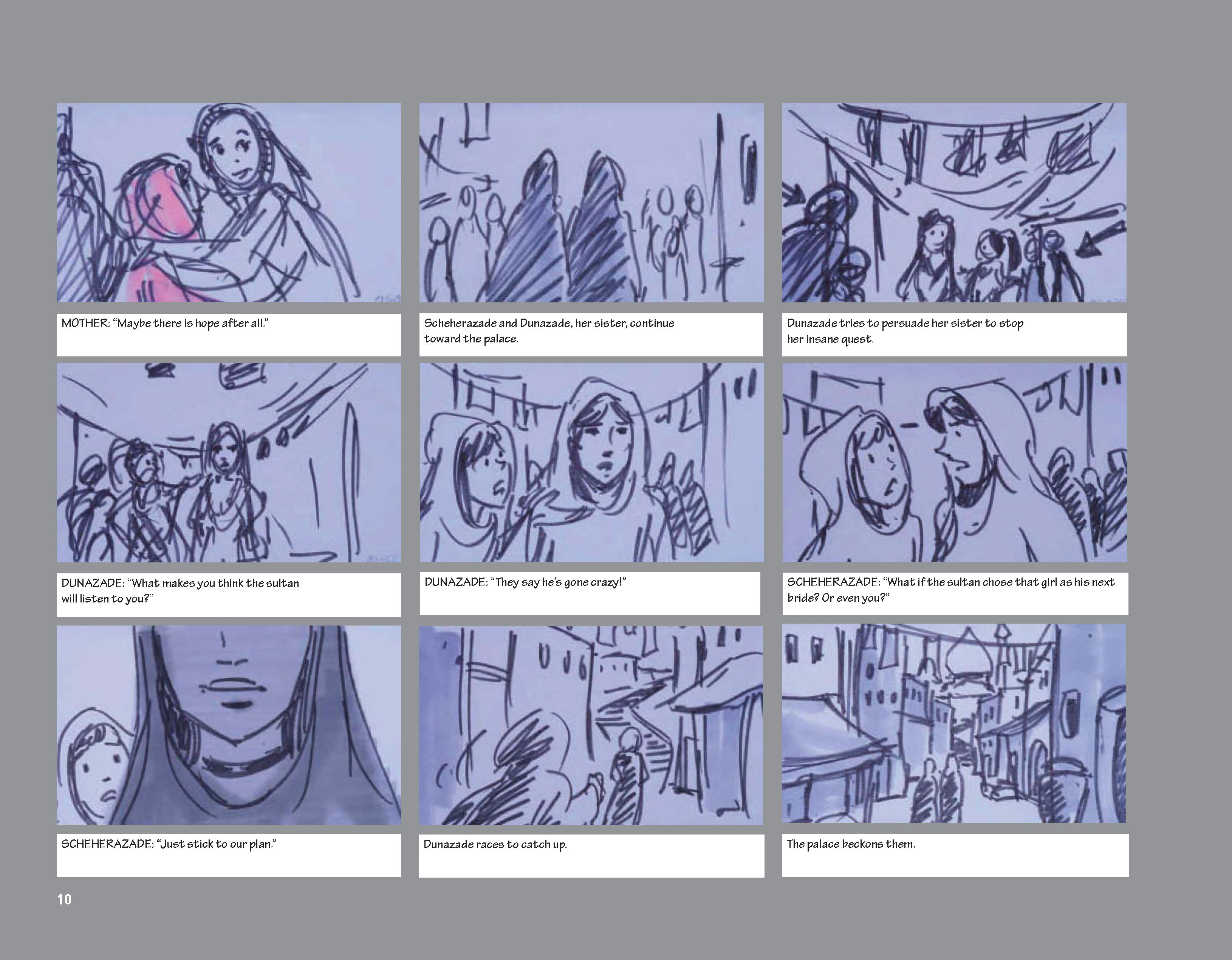
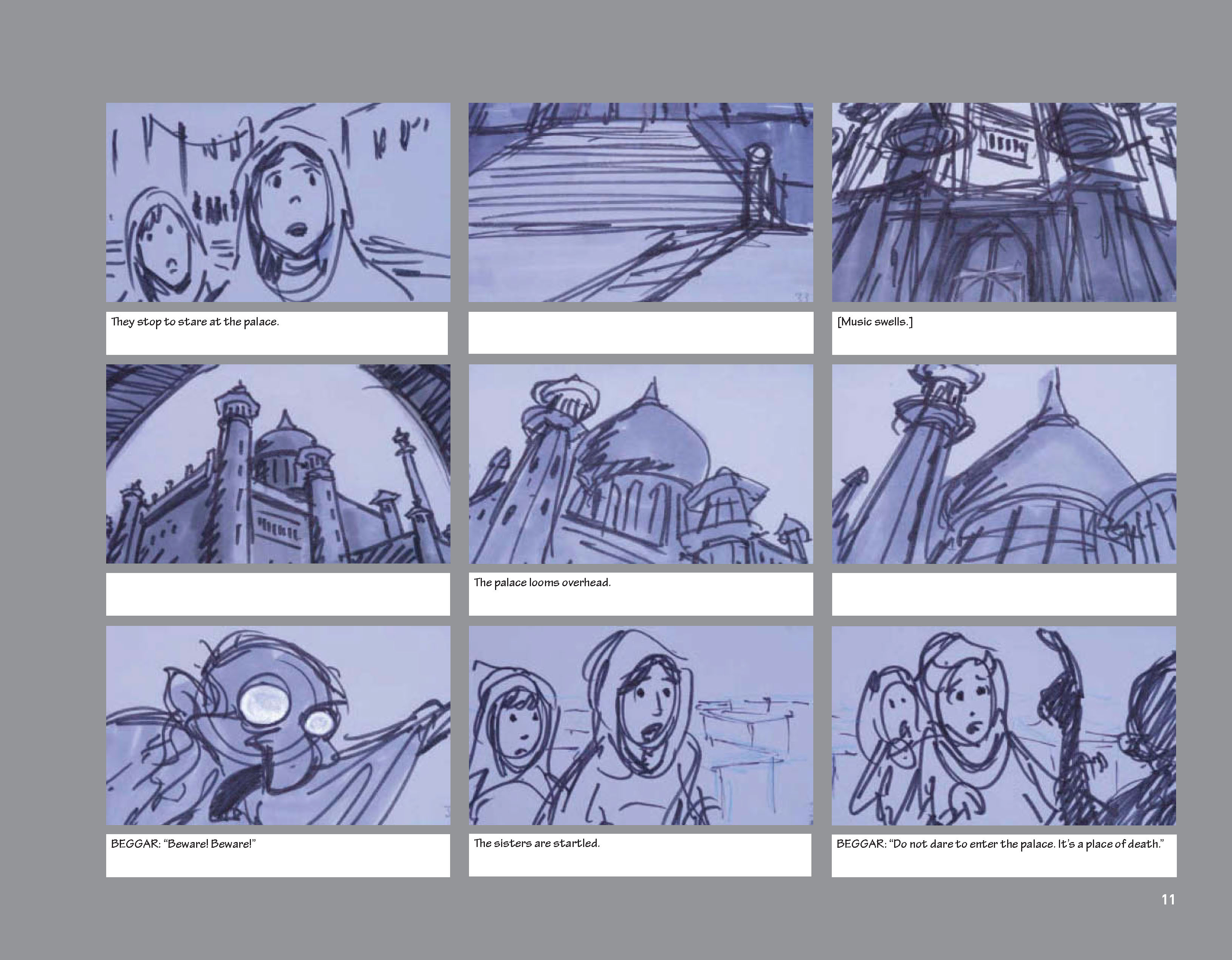
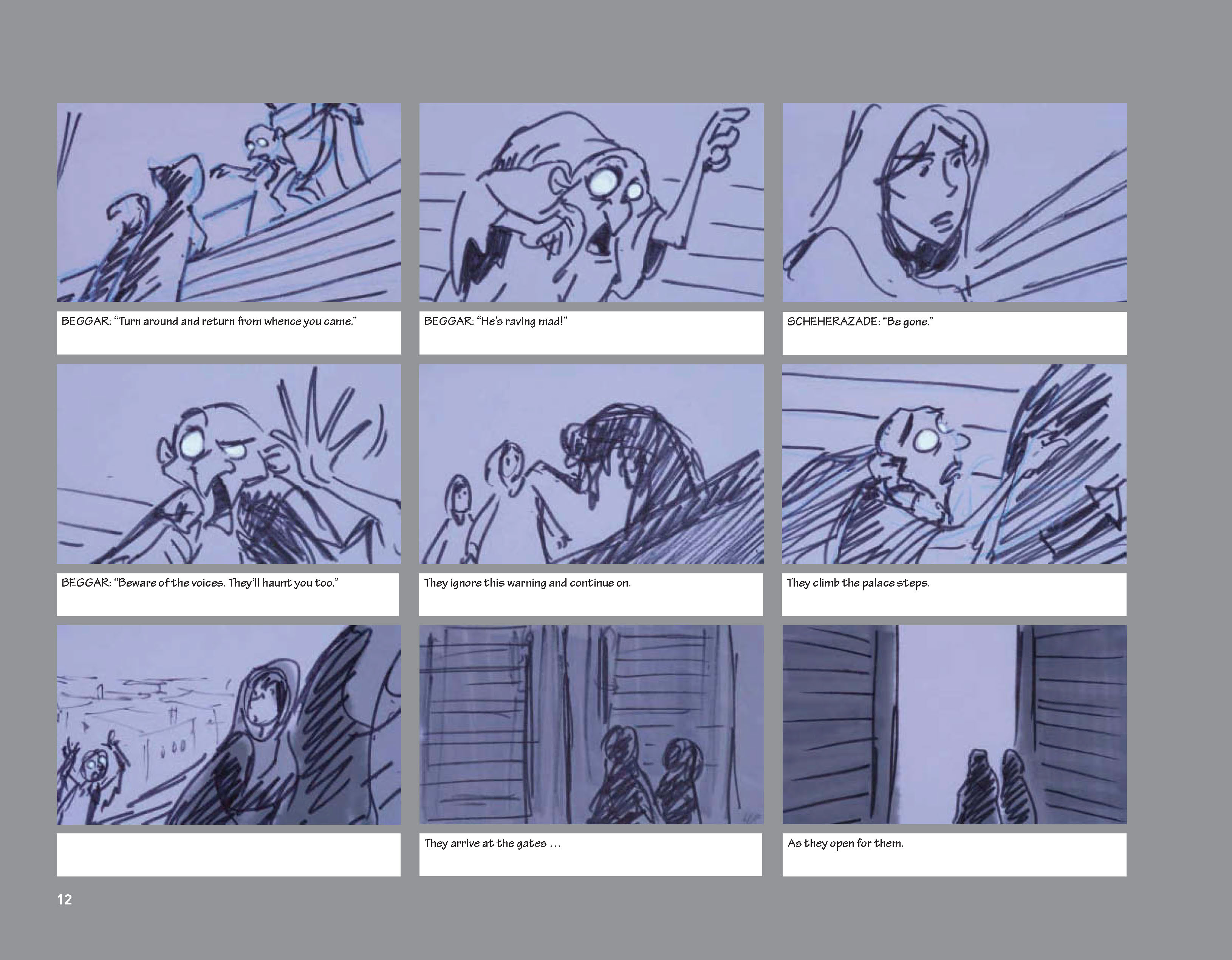
Quickly thumbnail the same simple scene (a character entering a room) in 3 different ways. This sets up the idea that every frame is a choice.
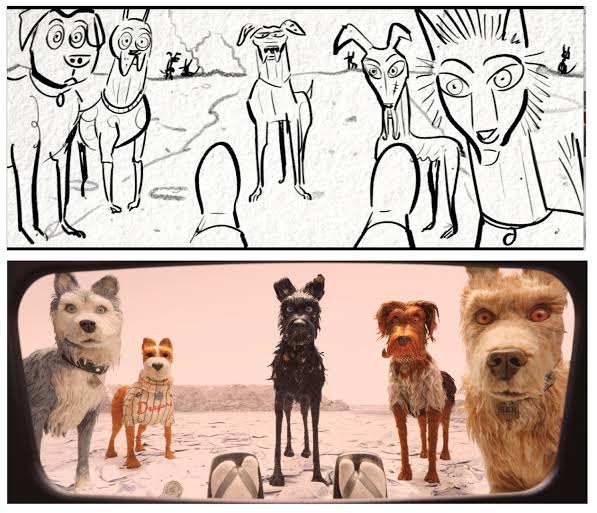
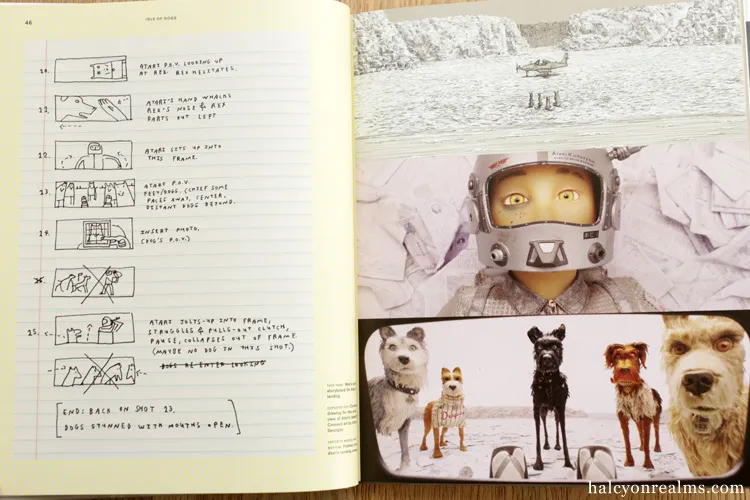
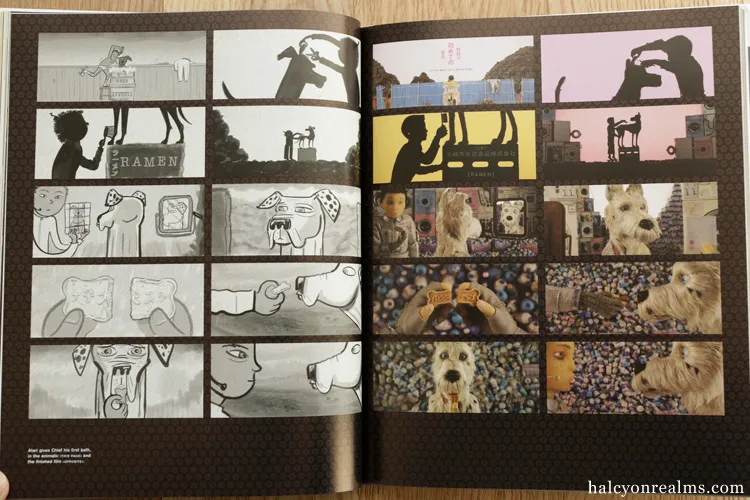
From storyboard to screen
Examples from Wes Anderson's Isle of Dogs. Click an image to view it full size.
- 0:10 – 0:50
Core Composition Principles, Framing and Shot Types
- Rule of thirds and the power of placing subjects off-centre
- Leading lines: directing the eye to the focal point
- Shape language and silhouette readability
- Balance: symmetry vs. asymmetry, and negative space
- Value grouping: using light and dark to organize the frame
- Shot sizes: extreme wide, wide, medium, close-up, extreme close-up
- Camera angles: high, low, eye-level, Dutch tilt, and what each communicates emotionally
- Foreground / midground / background layering for depth
- Framing within a frame (doorways, windows, foliage)
Week 6: Composition & Framing
Presentation slides (PDF) (opens in a new tab)
- 0:50 – 1:00
Break and Screening
Look at 3 to 4 film or animation stills and identify the composition choices in each one.
- 1:00 – 2:00
Hands-on Exercise
Using a short story beat, such as “a character discovers something frightening” or “two friends reconcile,” draw 10 to 20 thumbnail panels. Use a different shot type and angle for each panel, then annotate why you chose each one. This ties in Weeks 2 to 5: figures, expressions, and environments.
- 2:00 – 2:05
Share and Wrap-up
Quick pair-share or gallery walk, plus homework.
Resources
Key Takeaway Notes from 3 Readings
Composition & Framing quick summary from Framed Ink, Directing the Story, and Shot by Shot (PDF) (opens in a new tab)
Framed Ink
by Marcos Mateu-Mestre
Primary recommendation. Widely used in animation, comics, and storyboarding courses, with a focus on how composition and framing serve narrative.
PDF Source(opens in a new tab)Directing the Story
by Francis Glebas
A storyboard-focused book on visual storytelling.
PDF Source(opens in a new tab)Every Frame a Painting
Archived but excellent short analyses of film composition.
Pixar in a Box (Khan Academy)
Free lessons on visual storytelling.
Also worth searching on YouTube: free video lectures by Mark Kennedy and Marcos Mateu-Mestre.
Homework
Take a screenshot or still from a film you love. Redraw it as a thumbnail and write 2 to 3 sentences about why the composition works.